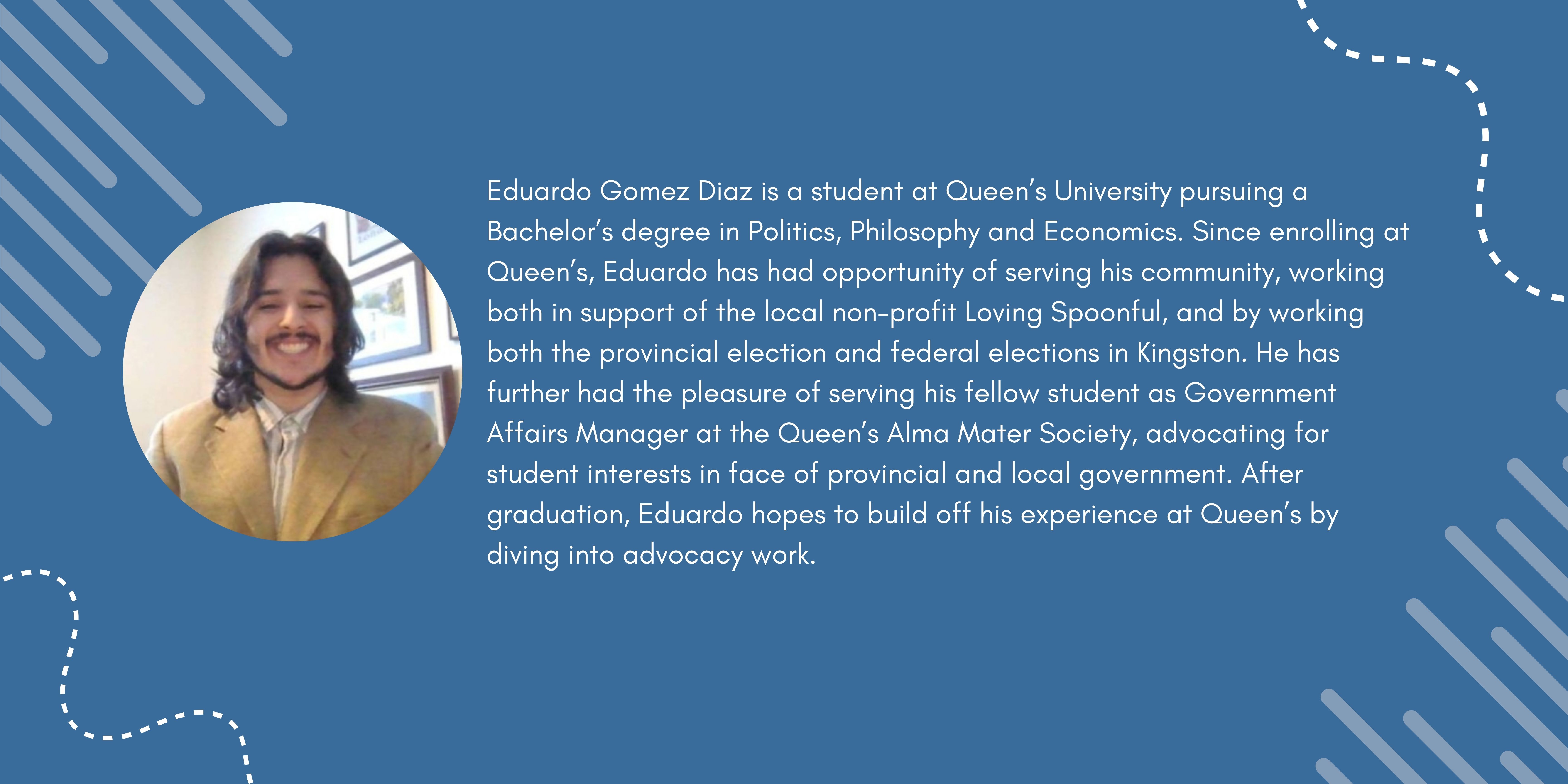
At OUSA’s Fall 2024 General Assembly (GA), we passed the renewed edition of the Student Financial Aid policy paper. It was by far the most debated topic over the course of GA, and for good reason. Changes in financial aid policies impact a large portion of post-secondary students in Ontario. We’ve either personally felt or have seen our peers suffer anxiety over not knowing when our OSAP money is going to hit our bank accounts.
Financial troubles seem to just “be a part” of the student experience. Whether it’s struggling to pay for tuition, rising rent, growing food costs, or difficulties balancing education and work, keeping up with the pressures of post-secondary education is hard. These financial limitations affect us in a million different ways. It is no surprise, then, that when you speak to those who are not able to attend post-secondary institutions, financial barriers seem to be the greatest limiting factor. I think we can all agree that this has to change.
Our institutions themselves do not seem free from financial troubles. Large deficits seem to be endemic to the post-secondary sector in Ontario. The impacts of these pressures are transferred to us, who must suffer from reduced options in course selection, larger class sizes, and increasingly outdated infrastructure. I once had to do a midterm while slanted because only broken chairs and desks were available. I doubt this is a unique experience.
This pressure is also being felt by faculty. Teaching Assistants and untenured professors face the impending termination of their jobs wondering if they’ll be the next ones to go. Professors have to keep up with an increased number of students per instructor, with less support than ever. This results in a decreased quality of education for students and a decreased quality of life for faculty. Budget cuts are clearly detrimental in addressing these issues in a productive manner. Increased investment in post-secondary education is a necessity.
Accessibility to education is more important than ever. Having a post-secondary credential is essential as a pathway into the labour market - anyone who’s tried to get a job in the last couple of years can attest to that. In times like these, investment in post-secondary education is paramount. Youth can not be expected to succeed in a society which discourages them from gaining the qualifications conducive to success.
Among the principles included in the final version of the renewed Student Financial Aid policy paper was the following notion: No one who has the capacity and drive to continue their education after high school should be prevented from doing so by financial barriers. In my opinion, this should be the guiding principle for all policies related to financing post-secondary education and investment in post-secondary institutions.
Organizations like OUSA are essential in making sure these kinds of issues are considered by policymakers. Before participating as a delegate at the General Assembly, I had not thought about how student advocacy affects my day-to-day life for the better. I am tremendously grateful to have been able to participate in these efforts. Slowly but surely, we have and continue to improve the student experience across Ontario. 60 General Assemblies is a lot, but we’ll hit 100 before you know it.